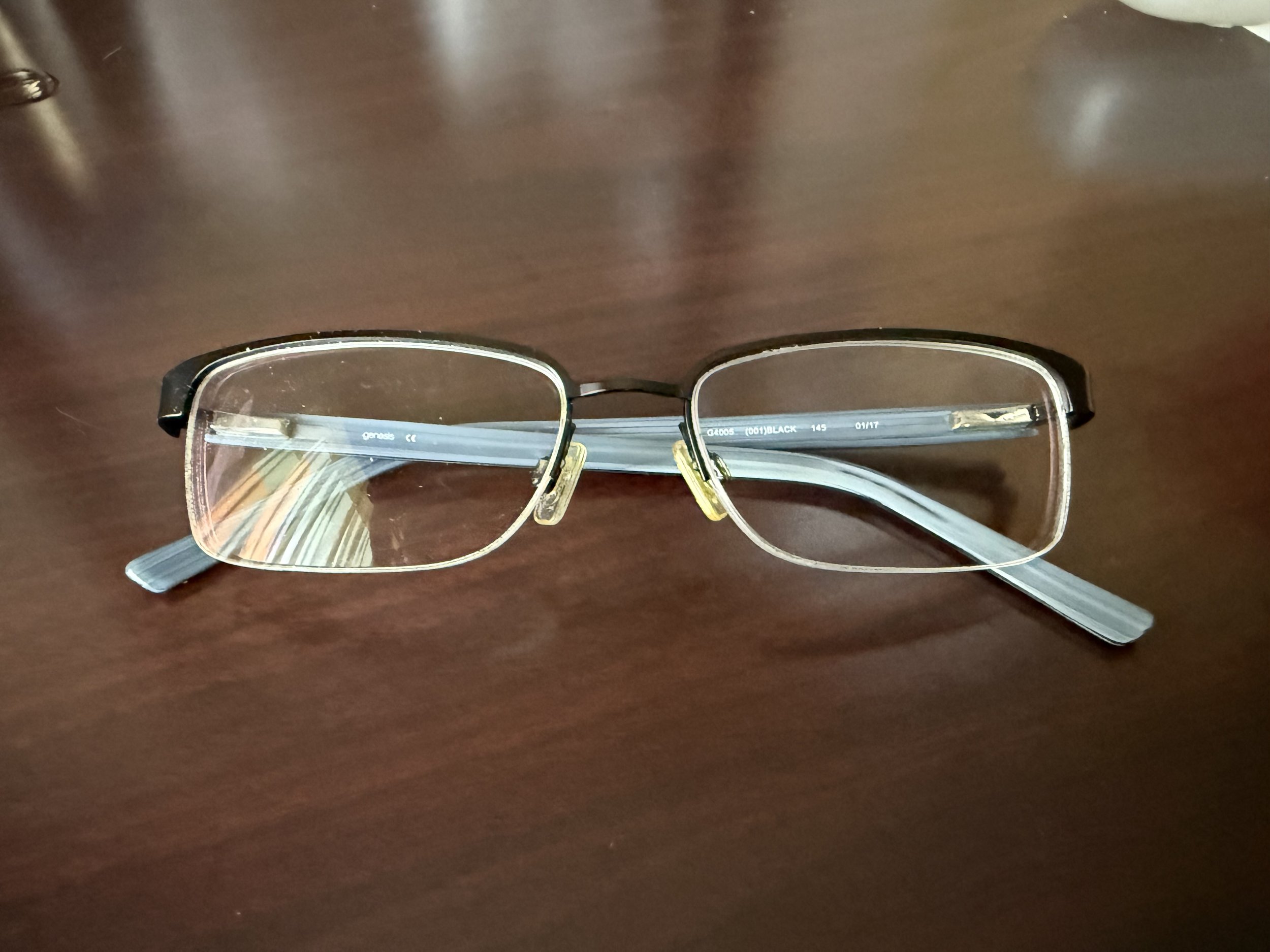
Refocus to See
Based on John 9:1–41
Lent has a way of slowing us down long enough to notice things we usually miss. In the Gospel story of John 9, Jesus encounters a man who has been blind since birth. The disciples immediately begin asking theological questions: Who sinned? Was it him or his parents? They want an explanation for the suffering they see. But Jesus refuses to turn the man’s life into a debate topic. Instead, he restores his sight.
It is one of the most dramatic healing stories in the Gospel of John. Jesus makes mud, spreads it on the man’s eyes, and tells him to wash in the pool of Siloam. The man obeys. He washes. And suddenly the world he had never seen comes into focus.
Light. Color. Faces. Movement.
Imagine that moment.
But surprisingly, the real story that follows is not about the man’s blindness. It is about everyone else’s.
The neighbors question him. The religious leaders interrogate him. Some debate whether the miracle even happened. Others are more concerned that Jesus performed the healing on the Sabbath than that a man’s life has been transformed. The only person in the story who seems to see clearly is the one who had been blind.
At first, he simply calls Jesus “a man.” Later he says Jesus must be “a prophet.” By the end of the story, when he meets Jesus again, he recognizes him as the Son of Man and worships him. His physical sight leads him toward spiritual sight.
Meanwhile, the religious authorities move in the opposite direction. The more evidence they encounter, the more determined they become not to see it. Their certainty blinds them to the possibility that God might be at work right in front of them.
That is the uncomfortable truth at the heart of this story. Blindness is not always about eyes. Sometimes it is about the heart.
During Lent we spend time examining our lives, not to shame ourselves but to allow Christ to bring clarity where we have grown accustomed to shadows. We ask hard questions: Where have I stopped paying attention to God? Where have I become so certain that I can no longer see what God might be doing?
Spiritual blindness often looks like assumptions we have stopped questioning. It looks like believing we already understand someone’s story. It looks like explaining away suffering rather than responding with compassion. It looks like protecting our certainty instead of welcoming transformation. The man born blind offers us a different posture. He doesn’t have all the answers. In fact, when people interrogate him, he simply says, “One thing I do know: I was blind, but now I see.”
Sometimes faith begins exactly there. Not with perfect theology. Not with polished certainty. Just with honest testimony of what Christ has done.
Lent invites us to step into the light again. To let Jesus clear the mud from our eyes. To allow the Spirit to refocus our vision so we can recognize grace where we once overlooked it.
Because the goal of faith is not simply to have the right answers.
It is to see.
And when Christ opens our eyes, the world looks different. People look different. Even we look different. What once seemed ordinary begins to reveal the fingerprints of God.
Maybe this week the prayer of Lent is as simple as this:
“Lord, help me see.“
In God’s grip,
Pastor Chuck Church