
Unity, Not Uniformity
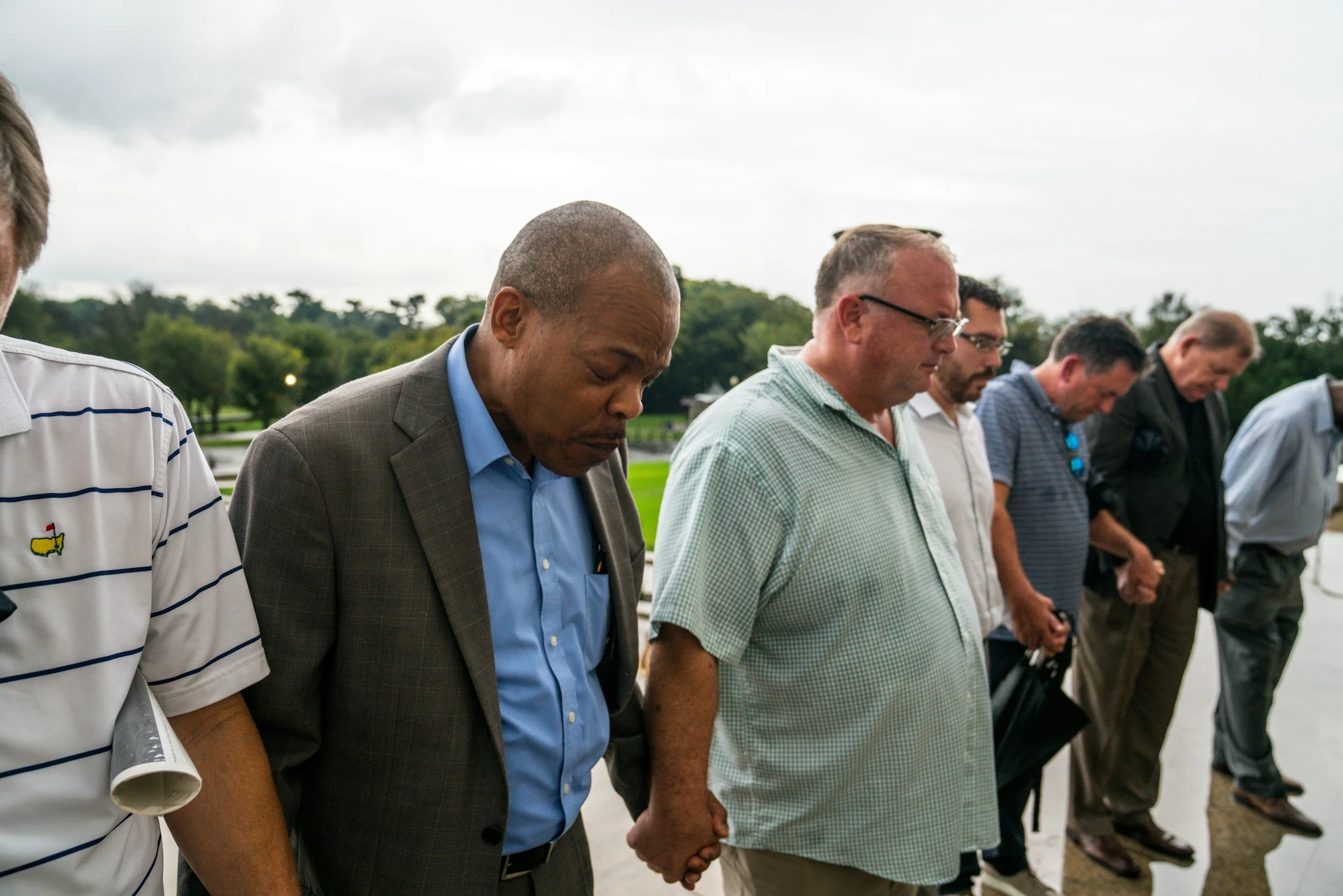
Paul’s words to the church in Corinth feel uncomfortably familiar. “I appeal to you…that there be no divisions among you.” The Corinthians were not divided over whether Jesus mattered. They were divided over who best represented Jesus. “I belong to Paul.” “I belong to Apollos.” “I belong to Cephas.” Each group believed they were right and in defending their rightness they fractured the body.
Paul’s response is sharp and clarifying. “Has Christ been divided?” Unity Paul reminds them is not built around personalities, preferences, or even persuasive wisdom. Unity is grounded in the cross of Christ. The moment we elevate anything else style theology tradition leader or method to the center we trade the power of the cross for something far less life giving.
But notice what Paul does not say. He does not call the Corinthians to think the same way about everything. He does not demand uniform opinions, identical practices, or a single personality type. He calls them to be “united in the same mind and the same purpose.” This is unity of heart and direction not uniformity of thought.
The church has always wrestled with this tension.
In the eighteenth century two of the most influential Christian leaders in the English speaking world John Wesley and George Whitefield found themselves on opposite sides of a significant theological disagreement. Whitefield held strongly to Calvinist views of predestination while Wesley emphasized human response to God’s grace. Their disagreement was public, passionate, and at times painful. Many assumed it would permanently divide the Methodist movement and the broader revival.
Yet something remarkable happened.
Despite their differences Wesley and Whitefield refused to become enemies. They continued to recognize the work of God in one another. When asked whether he expected to see George Whitefield in heaven Wesley famously replied “I fear not.” Then after a pause he added “For he will be so near the throne and I so far away that I shall hardly catch a glimpse of him.”
And in the midst of ongoing disagreement Wesley wrote words that still echo through the church today. “If we cannot think alike may we love alike.”
That sentence captures the heart of Christian unity.
Unity does not mean erasing differences. It means refusing to let differences become divisions. It means choosing love over winning, relationship over rightness, and the cross over our preferred corner of the argument. Uniformity demands conformity. Unity requires humility.
Paul warns that when the church becomes obsessed with proving its wisdom it empties the cross of its power. The cross is not about being impressive. It is about self giving love. It is not about aligning with the strongest voice. It is about surrendering to Christ.
So perhaps the question before us is not “Who is right” but “What is at the center”
If Christ crucified remains our foundation we can disagree without dividing. We can hold convictions without hardening our hearts. We can be a community where difference does not threaten belonging.
The church does not need more uniformity. It needs deeper unity rooted in the cross shaped by love and held together by grace.
And if we cannot think alike may we by God’s mercy still learn to love alike.
In God’s Grip,
Pastor Chuck Church