
Why Do We Question the Truth?
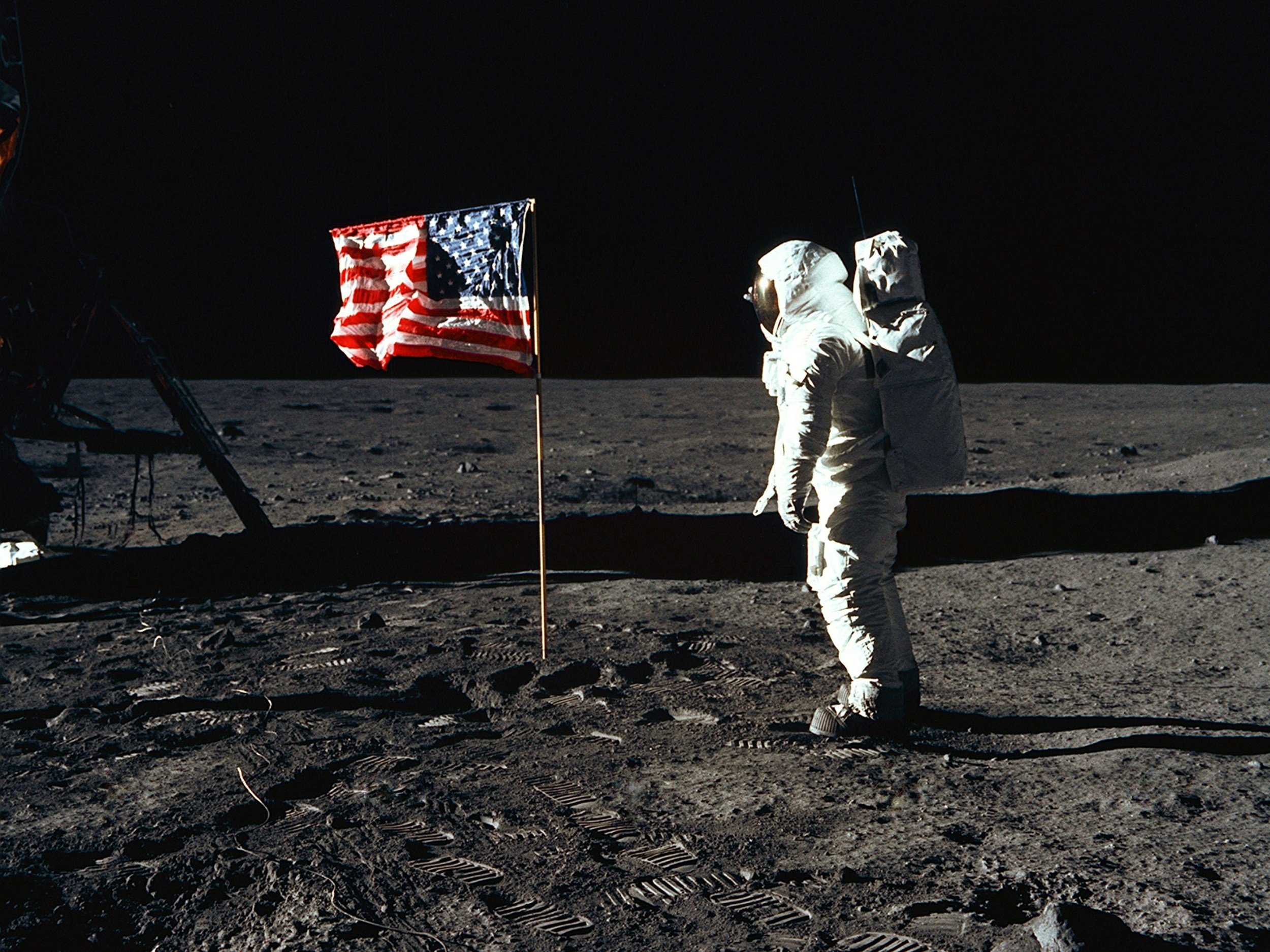
There is something in us that resists what we cannot control. We live in a time where even the most remarkable achievements are questioned. People still debate whether the Apollo 11 Moon Landing really happened, and already, there are skeptics raising doubts about missions like Artemis II before they even launch. It raises a deeper question: for what reason? Why do we question things that are supported, witnessed, and testified to?
Of course, there are moments when questioning is healthy. Truth can be shaped by perspective in certain situations. But more often than not, when truth is questioned at its core, it is not because the evidence is lacking. It is because the truth does not fit the narrative we have already decided to believe. And that brings us to Thomas.
In John 20, the risen Christ appears to the disciples. The room is filled with fear, confusion, and then suddenly, peace. Jesus stands among them. The others see Him, hear Him, and rejoice. But Thomas is not there. When he returns, they tell him the news: “We have seen the Lord!” Thomas responds with what many of us might secretly feel: “Unless I see… unless I touch… I will not believe.”
Why did Thomas doubt the resurrection? Was it really about needing empirical evidence? Or was it that resurrection did not fit into his narrative? Thomas had watched Jesus die. He had seen the finality of the cross. In his understanding of the world, dead people stay dead. Rome wins. Hope is crushed. That was the narrative that made sense to him. Resurrection was not just unbelievable. It was incompatible with everything he thought he knew. So Thomas demanded proof.
But before we judge him too quickly, we should ask ourselves a harder question:
Why do we sometimes struggle to accept God’s truth? Is it really about evidence, or is it about narrative? We say we believe in resurrection, but do we live like new life is possible? We say we trust God’s promises, but do we act as if grace is sufficient? We proclaim that Christ is Lord, but resist surrendering control of our own stories.
Sometimes God’s truth confronts us because it does not align with what we expected, what we wanted, or what we have already decided must be true. When that happens, we have a choice. Reshape the truth to fit our narrative, or surrender our narrative to the truth. The beauty of this passage is that Jesus does not reject Thomas for his doubt. Instead, He meets him in it.
A week later, Jesus appears again. This time, Thomas is there. And Jesus speaks directly to his doubt: “Put your finger here… see my hands… stop doubting and believe.” Jesus offers Thomas exactly what he asked for, but also something deeper. He invites him not just to see, but to trust. Not just to examine, but to surrender. Thomas responds with one of the most profound confessions in all of Scripture: “My Lord and my God!”
In that moment, Thomas’ narrative is rewritten. Then Jesus speaks words that reach across time to us:
“Blessed are those who have not seen and yet have believed.” That is where we live.
We have not stood in that room. We have not touched the scars. But we have the testimony. We have the witness. We have the movement of God in our lives and in the world. So the question remains: Why do we question the truth? Sometimes it is fear. Sometimes it is pride. But often, it is because the truth of God demands something from us. It calls us to let go of our version of the story.
The resurrection is not just something to believe. It is something that reshapes everything. It tells us that death is not the end. That failure is not final. That grace is greater than sin. That God’s narrative is bigger than ours.
So perhaps the better question is not, “Why do we question the truth?” But, “Are we willing to let the truth change us?” Because at some point, faith is not about having all the evidence we want. It is about trusting the One who stands before us and says, “Peace be with you.” And in that peace, we find the courage to lay down our narratives and receive His.
In God’s grip.
Pastor Chuck Church