
Refocused on New Life
This week’s reading: Romans 8:6–11; John 11:1–45
There are moments in life when everything feels like it has come to a halt. Prayers seem unanswered. Hope feels delayed. The weight of grief, disappointment, or uncertainty settles in, and we wonder quietly: Where is God in this?
That is the space we enter in John’s telling of Lazarus.
Jesus receives word that his friend is sick, gravely sick, and yet he waits. By the time he arrives, Lazarus has been in the tomb for four days. Martha meets him with a mixture of faith and frustration: “Lord, if you had been here…” Mary echoes the same words, her grief pouring out in tears. Even Jesus himself is deeply moved, weeping alongside them.
This story does not rush past sorrow. It lingers there. It honors the reality that loss is real and that waiting is painful.
And yet, this is not where the story ends.
Standing before the tomb, Jesus calls out, “Lazarus, come out.” And impossibly, unbelievably, life answers. Death does not get the final word.
Paul’s words in Romans help us understand what is happening beneath the surface of this miracle. “To set the mind on the flesh is death, but to set the mind on the Spirit is life and peace.” This is not just about what happens after we die. It is about the kind of life we are living right now.
A mind fixed on death sees only endings, limitations, and what cannot be changed. It is consumed by fear, control, and despair.
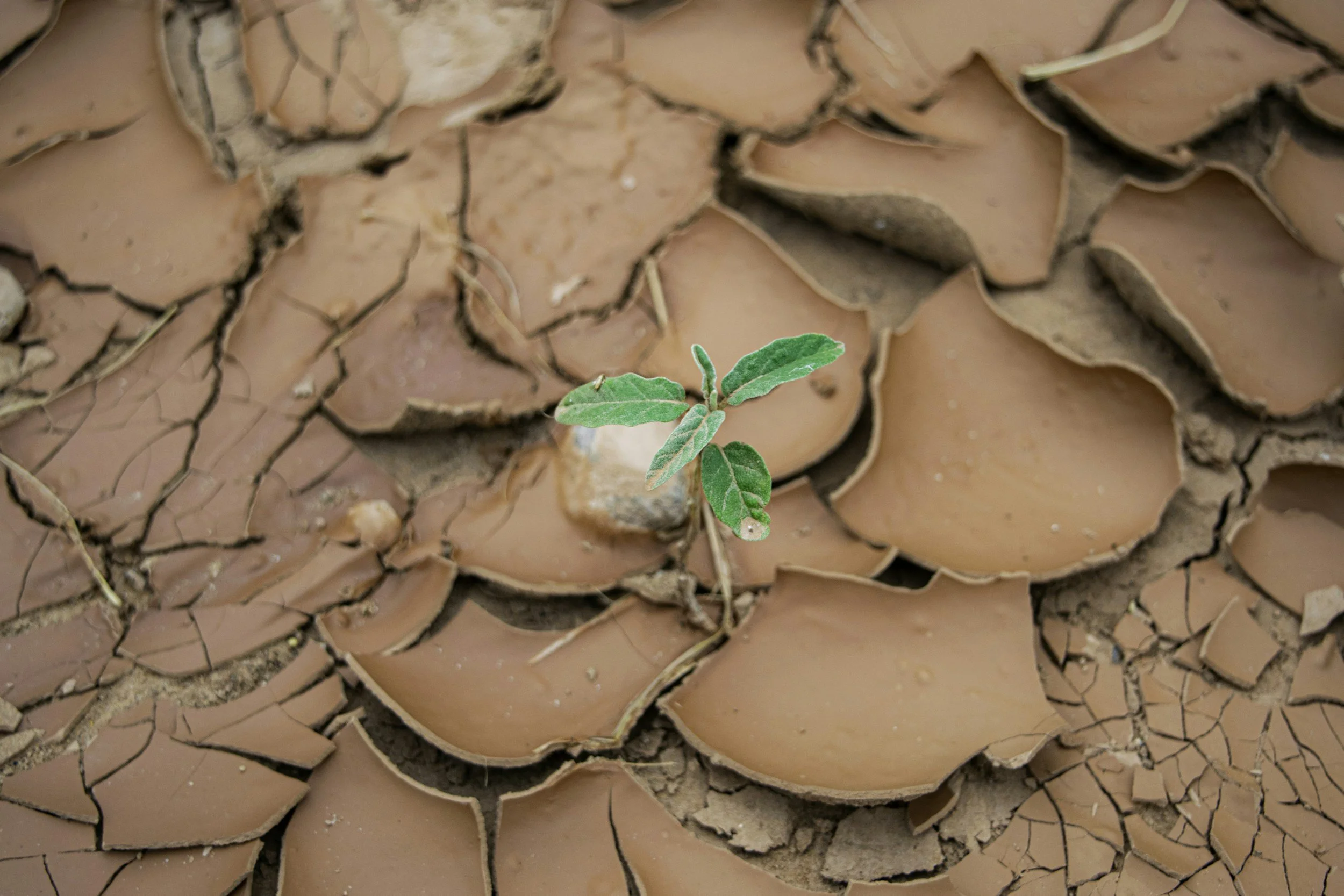
But a mind set on the Spirit begins to see differently. It notices where God is still at work. It trusts that even in the most closed-up, sealed-off places of our lives, God is not finished. The same Spirit that raised Jesus from the dead is already moving—bringing life where we assumed there could be none.
Lent has been inviting us to refocus. To turn our attention away from what distracts and diminishes us, and back toward the presence of God.
This week, that invitation becomes deeply personal:
Where have you accepted death as the final word?
Maybe it’s in a relationship that feels beyond repair.
Maybe it’s in a part of your own life where you’ve stopped expecting change.
Maybe it’s in your faith, where hope has quietly been replaced by routine.
Jesus stands before those places—not distant, not indifferent, but moved, present, and powerful.
And he still calls out.
“Come out.”
The truth is, new life rarely looks dramatic at first. Lazarus comes out still wrapped in grave clothes. Jesus tells the community, “Unbind him, and let him go.” Resurrection is both a moment and a process. God brings life, and then, together, we learn how to live in it.
That means we don’t have to have everything figured out. We don’t have to be fully “unbound” to step into new life. We only have to respond to the voice that calls us forward.
As we move closer to the cross and the empty tomb, we are reminded that resurrection is not just something we celebrate—it is something we are invited into.
Even now.
Even here.
God is still speaking life into places that feel lifeless.
The Spirit is still breathing hope into weary hearts.
Jesus is still calling people out of their tombs.
Including you.
So this week, listen closely.
Where is Christ calling your name?
And what might it look like to step—however slowly, however uncertainly—into the new life he is already giving?
In God’s grip,
Pastor Chuck Church
Prayer
God of life,
You meet us in places we would rather avoid—places of grief, waiting, and weariness.
Speak your life into us again.
Call us out of what binds us.
Refocus our hearts on your Spirit,
That we may walk in the new life you are already bringing forth.
Amen.