
Light of the World in the Longest Night
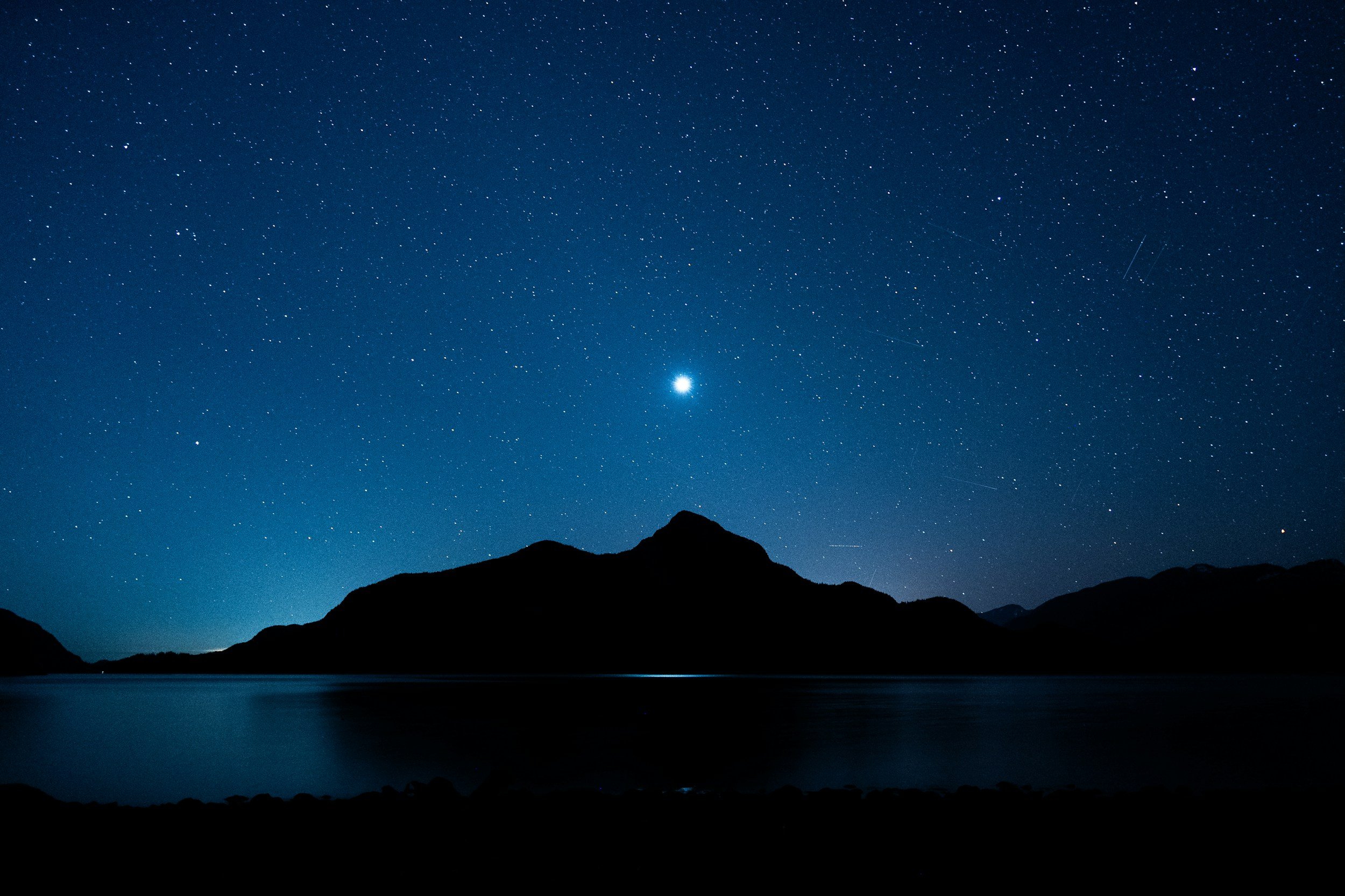
“I am the light of the world,” Jesus says in John 8:12. “Whoever follows me will never walk in darkness but will have the light of life.” Those words land with particular power at Christmas, not only because of candles and carols, but because Christmas is intentionally placed in the darkest season of the year. The church did not choose December by accident. It chose it because humanity knows darkness well, and God chose to meet us there.
It is worth remembering that Christmas has not always been celebrated by the Christian church. The earliest Christians focused far more on Jesus’ death and resurrection than on his birth. Birthdays were not widely celebrated in the ancient world, and the Gospels themselves show little interest in marking a specific date. It was not until the fourth century, around 336 AD during the reign of Emperor Constantine, that the church formally established December 25 as the feast of Christ’s birth.
Why then? Partly, the choice was pastoral and missional. The Roman world already marked this season with festivals of light and renewal, including celebrations tied to Sol Invictus, the Unconquered Sun, and Saturnalia. By proclaiming Christ’s birth at this time, the church was not baptizing paganism so much as reframing it, declaring that the true Light is not a distant sun or a capricious god, but the Word made flesh, born for us.
Long before Jesus walked the roads of Galilee, people across the world marked the middle of winter with hope. The winter solstice, the longest night of the year, signaled that the worst of the darkness was behind them. The days would grow longer. The light would return. Even without Scripture, humanity intuited a deep truth: darkness does not get the final word.
In Scandinavia, the Norse celebrated Yule beginning at the winter solstice. Families brought home massive logs and set them ablaze, feasting for days as the fire burned. Each spark, they believed, represented new life, a pig, a calf, a sign of provision in the year to come. Fire in the darkness meant hope, warmth, and survival.
Across Europe, late December was a natural time for celebration. Livestock were slaughtered before winter scarcity set in, providing rare fresh meat. Wine and beer fermented throughout the year were finally ready. Communities gathered not just to indulge, but to remind one another: we are still here, and the light is returning.
In Germany, however, the midwinter season also carried fear. The pagan god Odin was believed to fly through the night sky, watching, judging, deciding who would prosper and who would perish. People stayed indoors, afraid of what might be seen and what fate might be assigned. Darkness, in that story, was not just physical. It was spiritual, filled with anxiety and dread.
Into a world like that, one familiar with darkness, fear, and longing, Jesus is born. And later, he stands and declares, “I am the light of the world.”
Notice what Jesus does not say. He does not say, “I bring light,” as if it were merely a tool or a teaching. He says, “I am the light.” Light, in Scripture, is not just illumination. It is presence, truth, life itself. To follow Jesus is not simply to gain better information, but to walk with One who dispels darkness by being with us in it.
At Christmas, the church proclaims something radical: God does not wait for the darkness to lift before coming near. God enters the night. God is born in vulnerability, not power, in a feeding trough, not a palace. The Light of the World does not blind us or judge us from the sky. He draws close enough to be held.
That is good news for us, because many of us come to Christmas carrying shadows. Grief that feels heavier during the holidays. Fear about the future. Regret over the past. Exhaustion from a year that has taken more than it has given. The promise of Christmas is not that everything is suddenly bright, but that we are no longer alone in the dark.
When Jesus says, “Whoever follows me will never walk in darkness,” he is not denying the reality of night. He is promising direction, companionship, and hope. Light shows the next step. Light warms what has grown cold. Light tells us that what we see now is not all there is.
So when we light candles this season, when we decorate trees and homes, when we gather at tables old and new, we are participating in a long human story, one that reaches back before Christianity and finds its fulfillment in Christ. We are confessing that the deepest longing of the human heart is not merely for longer days, but for a Savior who walks with us through the night.
The Light of the World has come. And in him, even the longest night cannot overcome the dawn.
In God’s grip,
Pastor Chuck